What's the difference between SIM-only and a phone contract?
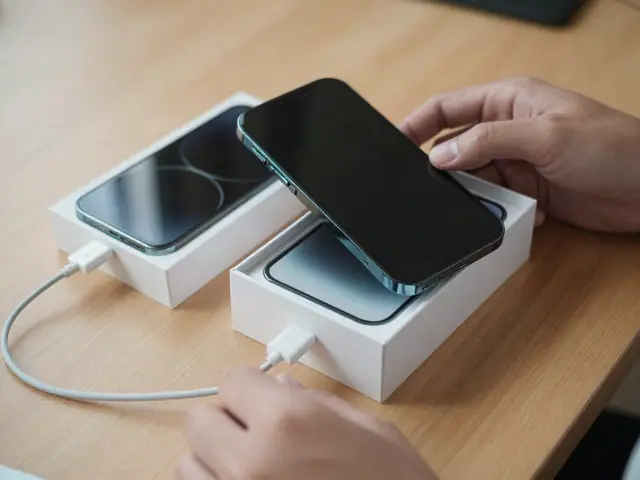
A phone contract combines two things: a handset and airtime. Airtime means your minutes, texts and data. You pay one monthly amount, and part of it goes towards the phone.
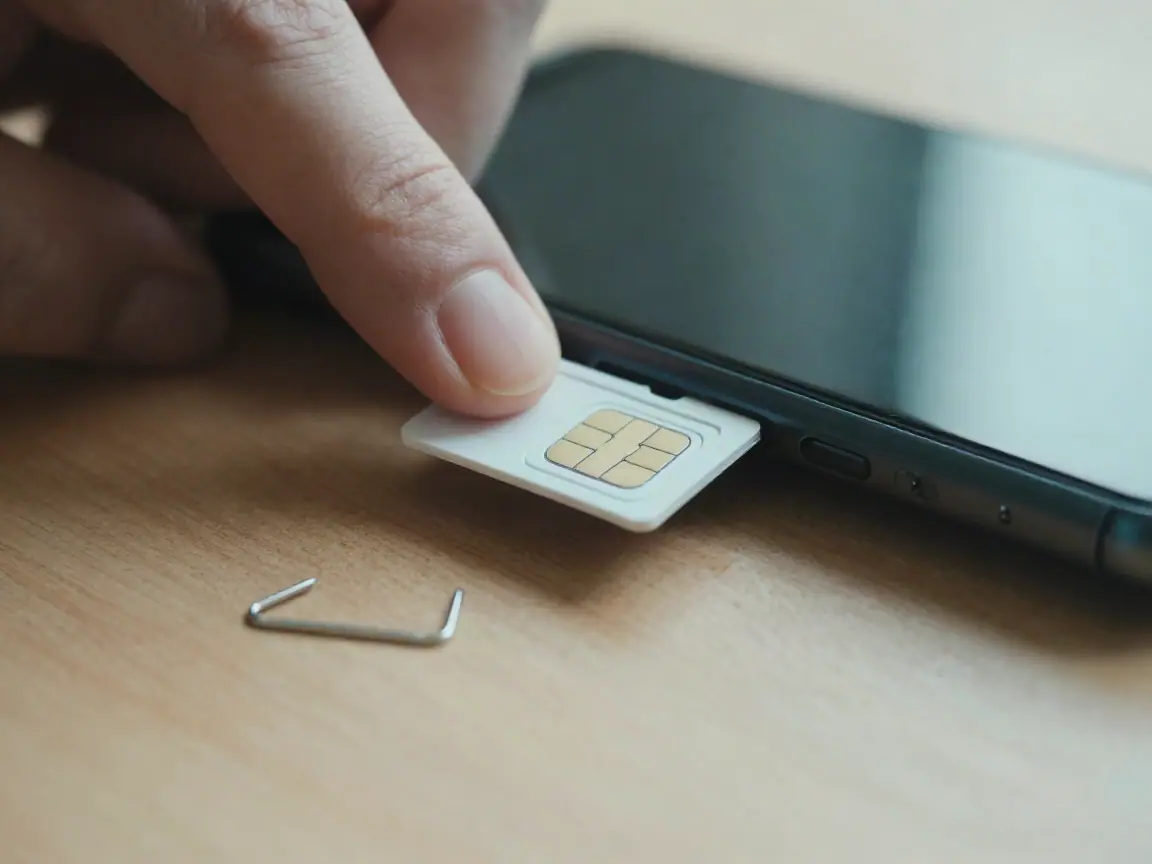
A SIM-only plan covers airtime alone. You use a phone you already own, or buy one separately, and put the SIM in it. Because there's no handset to pay off, the monthly price is much lower.
Split contracts
Many providers now separate the two parts. You have a device plan for the phone and a separate airtime plan. This makes it easier to see what you're paying for each, and the device payments stop once the phone is paid off. Providers give these plans different names, so check your contract summary to see which type you have.
How long do you have to sign up for?
Phone contracts usually last 24 or 36 months. A longer term lowers the monthly price, but you'll often pay more in total and be tied in for longer. Three years is a long time in the life of a phone, and by the end the battery may be noticeably weaker.
SIM-only plans are more flexible. Many run month to month and can be cancelled with 30 days' notice. Others are 12 or 24-month deals, which are usually a little cheaper each month in return for the commitment.
How to compare the total cost
The monthly price is the easiest number to see and the least useful for comparison. The fairest way is to add up everything you'll pay over the same period.
Working out the cost of a contract
Take the upfront payment, if there is one, and add the monthly price multiplied by the number of months. Then add any annual price rises that fall within the term.
Working out the cost of SIM-only
Take the price of buying the phone outright and add the SIM-only monthly price multiplied by the same number of months. If you're keeping your current phone, the phone costs nothing extra.
An example of how the sums work
Say a contract costs £45 a month for 24 months with nothing to pay upfront. That's £1,080 over two years. The same phone bought outright might cost £700, and a SIM-only plan with similar data £12 a month, or £288 over two years. The SIM-only route would total £988.
These figures are only an illustration. Real prices change all the time, and sometimes the contract does work out cheaper, especially when a provider is running a promotion on a particular phone. What matters is comparing like with like.
| Phone contract | SIM-only | |
|---|---|---|
| Upfront cost | Low or nothing | Higher if you're buying a new phone |
| Monthly cost | Higher | Lower |
| Length of commitment | Usually 24 or 36 months | Often monthly or 12 months |
| Credit check | Usually needed for the device plan | Sometimes, depending on the provider |
| Best suited to | Spreading the cost of a new phone | Keeping a phone you're happy with |
How do price rises affect your bill?
Most mobile contracts include a yearly price increase, usually from April. Since 17 January 2025, Ofcom rules have required new contracts to set out these rises in pounds and pence, so you can see exactly what you'll pay each year before you sign.
Contracts taken out before then may still link rises to inflation plus a fixed percentage. In years of high inflation, that has meant bills going up by well over 10%. If you're on an older contract, include this when comparing.
Many SIM-only plans have price rises too, but on a rolling monthly plan you can leave if the new price no longer suits you.
What happens when your contract ends?
Your provider must send you an end-of-contract notice between 10 and 40 days before your minimum term ends. It tells you what you're paying now, what you'll pay afterwards and the best deals they can offer you.
This is the moment to act. If your phone and airtime are on a combined contract, some providers lower the price when the term ends and others carry on charging the same amount. If yours doesn't drop, you may be paying for a phone you already own.
If you're out of contract and happy with your phone, moving to SIM-only is often the quickest way to cut your bill. You can usually stay with the same network and keep your number.
When does a phone contract make sense?
A contract can be the right choice if:
- you want a new phone and would rather spread the cost than pay all at once
- the device plan is genuinely interest-free and cheaper than other ways of borrowing
- the deal includes extras you'd use and would otherwise pay for separately
- a promotion makes the total cost lower than buying outright
Check whether the device plan is a credit agreement. Most are, which means the provider will run a credit check, and missed payments can affect your credit file.
When is SIM-only the better choice?
SIM-only usually works out better if:
- you're happy with the phone you have
- your contract has ended and the handset is paid off
- you'd like the freedom to change provider without being tied in
- you prefer to buy phones outright, new or refurbished, and keep them for several years
It's also worth a look if you use very little data. Some SIM-only plans with small allowances cost only a few pounds a month.
Can you keep your number if you move to SIM-only?
Yes. If you're staying with the same network, you can usually move to one of their SIM-only plans and keep everything as it is. If you're moving to a different provider, text PAC to 65075 to get a code that transfers your number. Our guide on switching network and keeping your number walks through each step.
Where to go from here
If you're keeping your current phone, the next step is usually comparing SIM-only deals on total cost and checking coverage where you live and work. Our guide to switching network and keeping your number explains the move itself. If you're buying a new handset, how to choose a smartphone covers what's worth paying for, and buying a refurbished phone explains how to save money safely.